Most weeks I like to try cooking something new. Today it is roast cauliflower.
I have seen many recipes for roasting cauliflower, all of them leaning into getting a bit flash for me. This one, however, I can easily hack and I suspect results will be a pretty dam delicious plate of cauliflower.
The recipe I am hacking is called Burnt Lemon Cauliflower
(I call it hacking because if I don't have some of the ingredients which is usually the case, I miss it out or add another, eg. who has fermented lemons on hand?)
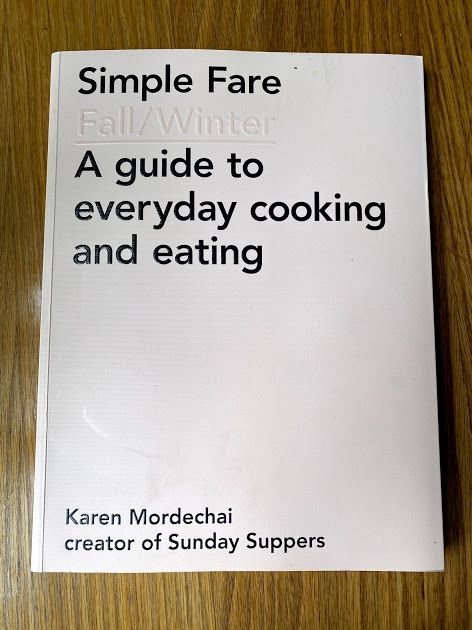

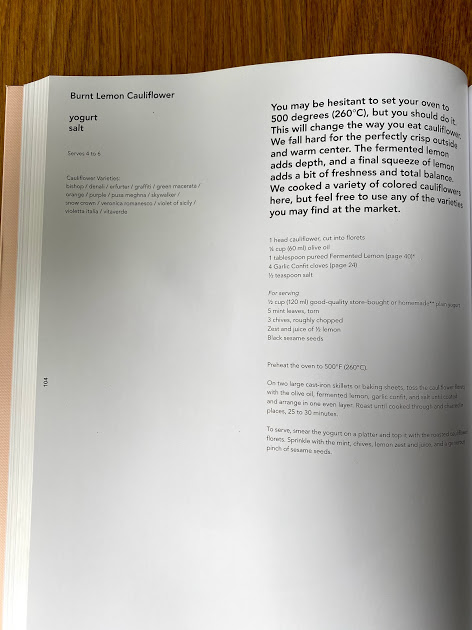
Whilst sitting in our kitchen thinking about how I’m going to rearrange this recipe into something manageable, I’m also thinking about: DiAngelo, R. (2018). White fragility: Why it's so hard for white people to talk about racism. Beacon Press
And an article I read a few years ago Evans, R. (2012). Getting to No: Building True Collegiality in Schools. Independent School, 71(2), n2. there is something niggling in the back of my mind about both.
Evans, R. (2012) highlights the importance of teachers moving away from Congeniality, relationships that are based on getting on well, being warm and friendly and move towards Collegiality, relationships where its okay in fact encouraged to disagree it’s not because we ‘don’t like you’, we embrace the difference in ideas and approach, we lean into for the sake of improvement. I blogged about this some time ago.
http://exploriosity.blogspot.com/2016/09/getting-to-no.html
This article connects to DiAngelo, R. (2018). White fragility: Why it's so hard for white people to talk about racism. Beacon Press because if the purpose of ‘education’ is the development of intellectual capacity (Dewey 1938 & Whitehead 1939) then as classroom teachers and educators in the broadest sense, we need to be doing everything possible to open up spaces for the improvement of ideas and an intentional capacity to listen to learn. I have known many colleagues who will do whatever they can to avoid conflict.
In order to learn and to grow, I believe we must learn to sit in those uncomfortable spaces of conflict, (different values, differing knowledges, different attitudes and values) be courageous and lean into the discomfort, stay uncomfortable for a little bit longer than usual and learn.
Yes, I really am thinking about this whilst hustling a cauliflower!
The cauliflower was ridiculously delicious. A perfect lunch for the next day. I will be inclined to top left over roast cauliflower with some roasted pumpkin seeds and maybe some precooked quinoa or rice.
Happy cooking - Happy reading - Happy thinking!
DiAngelo, R. (2018). White fragility: Why it's so hard for white people to talk about racism. Beacon Press.
Dewey, J. (1938). Experience and education, / New York: Macmillan
Evans, R. (2012). Getting to No: Building True Collegiality in Schools. Independent School, 71(2), n2.
Mordachai, K. (2017) Simple Fare, A Guide to everyday cooking and eating, / Abrams, New York
Whitehead, A. N. (1929). The aims of education & other essays. New York:Macmillan.


